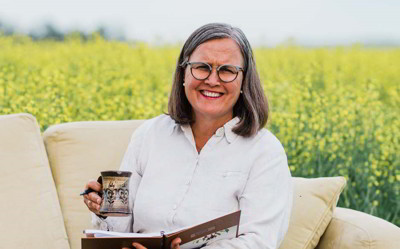
How we gather matters. Whether it is at the kitchen table, in the office of a farm advisor or sitting down in the shop for a quick coffee break. The way in which we converse together – how we show up, how we listen and how we collaborate with others – can have a big impact on how our farms function effectively. And, if you are a leader in an operation, the way in which you show up to these gatherings and meetings matters the most.
The Art of Hosting is a practical approach for bringing people together in conversation using a variety of structured gatherings, each with different goals in mind. As the website notes, this approach is all about “harvesting conversations that matter.” Several of the coaches on our team have taken the training to advance their facilitation skills, yet it is open and applicable to any profession. The website emphasizes how participants “walk away feeling more empowered and able to help guide the meetings and conversations they are part of move towards more effective and desirable outcomes.”
There are a few key takeaways from this training that I believe could enhance your journey in succession planning, no matter what stage you are at.
- Be Present (Host Yourself) – Imagine your recent crop of canola yielded well below average and you won’t break even. To make things worse, the price has been heading lower lately and you need cash soon so you’re forced to sell. You find all of this out shortly before stepping into a meeting with your team and you are feeling on edge. Your employees pick up on this tension in you and seem to have a harder time voicing their opinions, which only irritates you more. By not giving yourself time to decompress the frustrating phone call, you show up as a leader who is distracted and ungrounded. Being present means showing up prepared and responsive, and to “be well and aligned in yourself.” To get into this type of head space, you could try slowing down and asking yourself what you need before preparing to lead others (think of the airplane mask analogy in which you are putting on your own mask first). If you don’t have a lot of time to do this, you can also create space at the beginning of a meeting for a “check-in” so that each person gets to share what is on their mind or how they are feeling that day.
- Use Storytelling as a Learning Tool – The Art of Hosting has a process called “Collective Story Harvest” in which participants listen to one person tell a story and each of them is tasked with “harvesting” a different angle from it, such as a lesson learned or a principle that could apply to the rest of the group. Can you imagine how powerful this could be for founders of a farm? We often see stories come up on farms when the older generation recalls a memory, yet the younger generations do not always allow time to discover what they could take away from the stories they hear. By holding space for Mom, Dad, Grandma or Uncle – in short, this means creating an empathic, listening environment for them – you could learn something new or find inspiration that could benefit the future of the farm.
- Rotate Leadership with a Circle – A Circle is a “group process that supports every voice into collaborative decision-making” – even if roles are already established in a company, this exercise can help the next generation to feel heard. The process often builds trust and allows space for difficult discussions. The goal of a Circle is to focus on the collective experience as opposed to someone’s personal agenda. Leading the conversation rotates between circle members and responsibility for the quality of the experience is shared by everyone. In a farm setting, a circle could be used for a family or a team meeting in which each person speaks in rotation about a particular topic or theme. This summer, one of my coaching colleagues and I led a Circle on Zoom for a farm with two sons in conflict. The process gave each family member, including the daughter in-laws, the opportunity to share their thoughts on the future. Through multiple rounds of sharing, the family learned about each person’s values, fears and needs as the succession plans took shape. For the remainder of the meeting, I could see a shift as everyone became more open and trusting in each other.
- Challenge Limiting Beliefs – We all get doubts in our mind, but sometimes these doubts can stem from a rotted root, a belief that stands in the way of any growth. These are called Limiting Beliefs, and can range from “I’m not good enough” to “If I don’t buy that piece of land now, the farm won’t have a future.” When we challenge a limiting belief, we allow ourselves to explore a different way of looking at a situation or issue. There are many tools online in addition to The Art of Hosting that can support you in wrestling with these negative thoughts, but a good place to start is simply writing down certain beliefs that you have that may be impacting your ability to feel happy or successful. Then find a trusted person to walk through those beliefs with you and to question the validity of them.
- Balance Chaos and Order (The Chaordic Path) – People, especially those who follow a leader, need a balance of structure and flexibility, direction and collaboration, rules and self-organization. Good leaders are those who can hold the tension between the two opposites so that their team can feel safe and confident enough to learn, innovate and grow. While we are all too familiar with the uncertainty that farming brings, we create order in different ways to help ourselves feel in control. Similarly, a farm’s leader can remain open to creative ideas that come from allowing for dialogue in team meetings, while still maintaining his authority as the final decision-maker. In other words, everyone involved with the farm has freedom to explore new ideas while respecting the limitations of their individual roles. The Art of Hosting argues that it is through maintaining this balance between Chaos and Order that the most innovative and sustainable projects can emerge.
I hope these exercises can help you and your family as you continue your succession planning – feel free to share with us how they went for you!
–Kalynn Spain
Did you enjoy Art of Hosting? You might want to check these articles out too:
How to Talk About Fair Family Price for Land and Other Farm Assets.
Building Effective Decision Making Systems
Not Talking About Your Emotions Will Make You a Bad Decision Maker